Why we age our mutton
Tenderness is not an accident. Here is how 24 hours of controlled ageing turns a fresh cut into something that falls off the bone.
A cut is only as good as how it rests
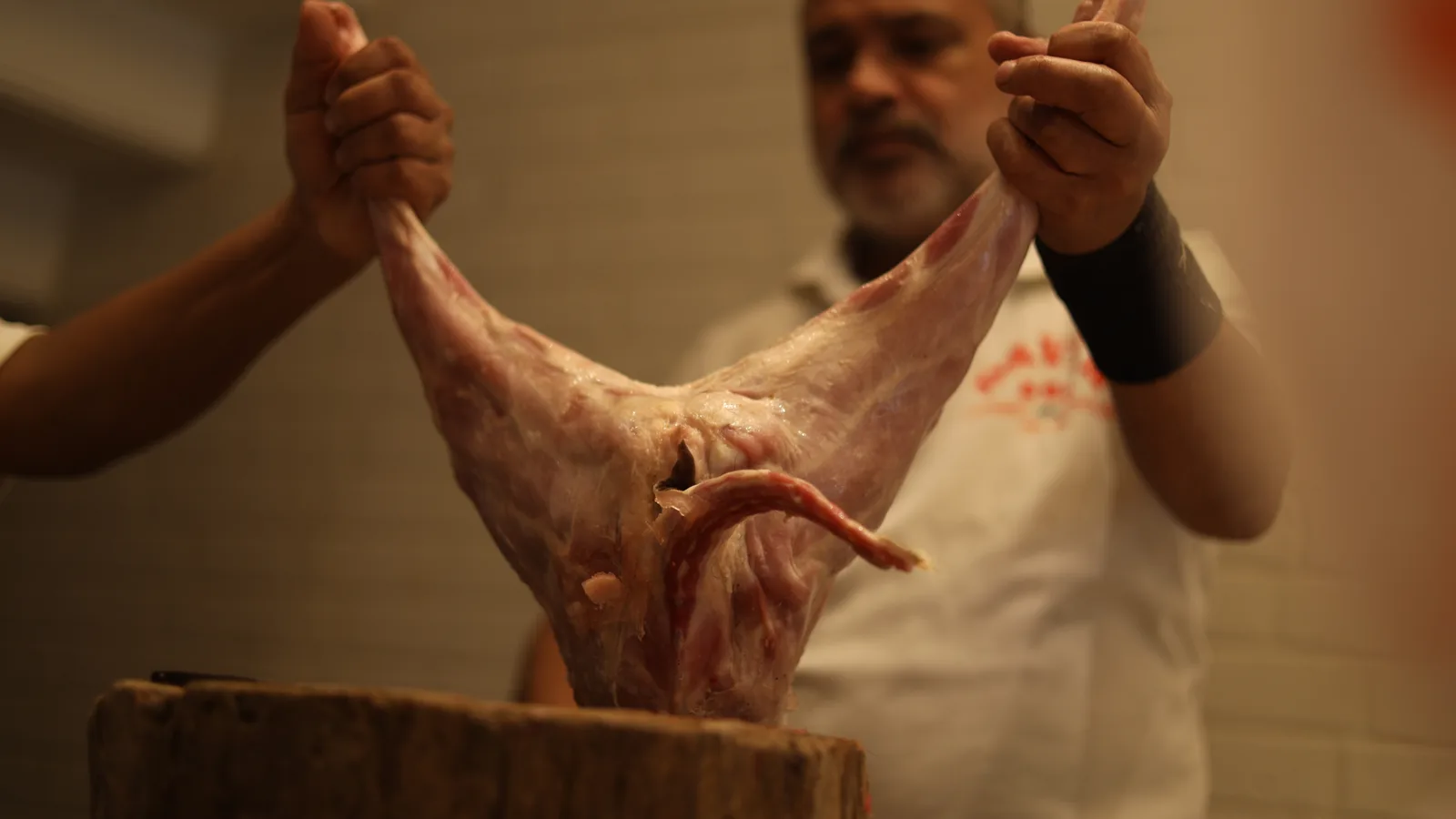
Fresh-off-the-block mutton is firm — the muscle is still contracted, and cooking it straight away gives you that chewy, springy bite nobody enjoys. At David & Co. every batch of mutton rests in temperature-controlled ageing for a full 24 hours before it is portioned for your order.
What ageing actually does
During ageing, natural enzymes already present in the meat gently break down the connective tissue and muscle fibres. The result is a cut that is measurably more tender, holds moisture better on the heat, and develops a deeper, rounder flavour. It is the same principle behind dry-aged beef — scaled and tuned for Indian goat and sheep meat.
Why most shops skip it
Ageing costs space, cold-chain time, and discipline. The corner butcher cannot hold inventory at a steady 2–4°C for a day, so the meat goes from block to bag in minutes. We built our cold room precisely so we never have to make that compromise.
Next time your rogan josh is fork-tender after 40 minutes instead of 90, that is the ageing doing its quiet work.